Voyager
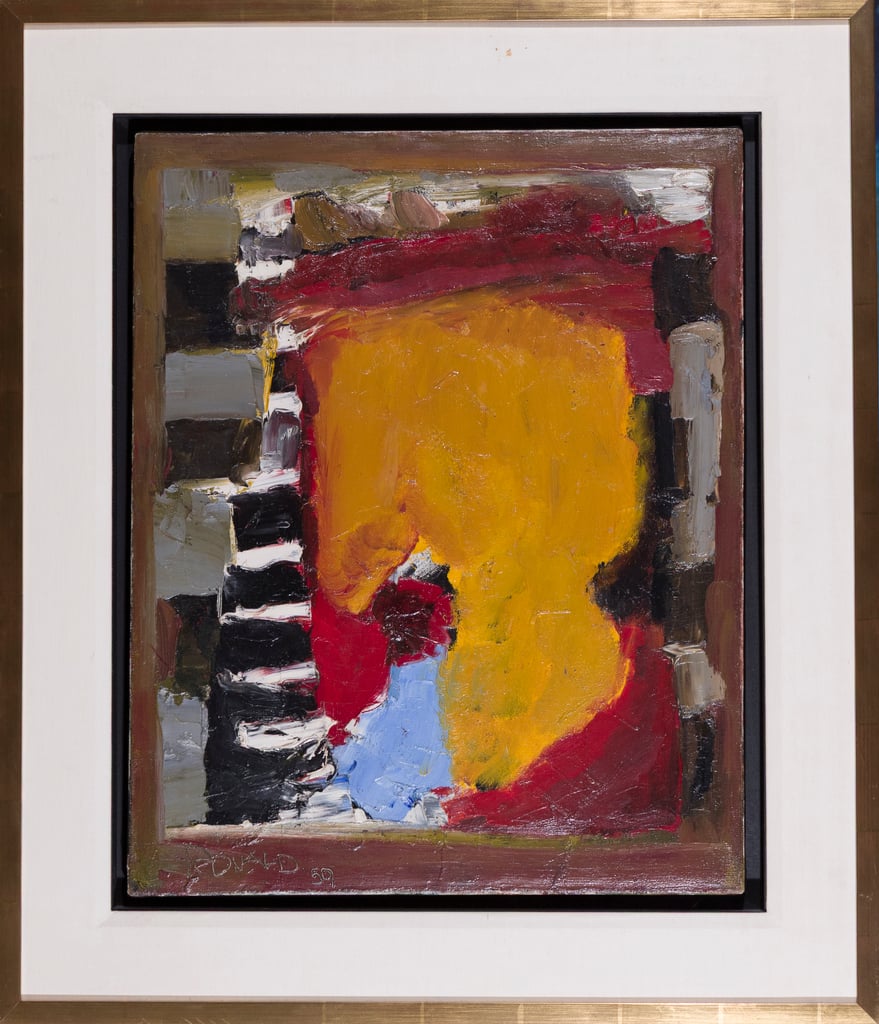
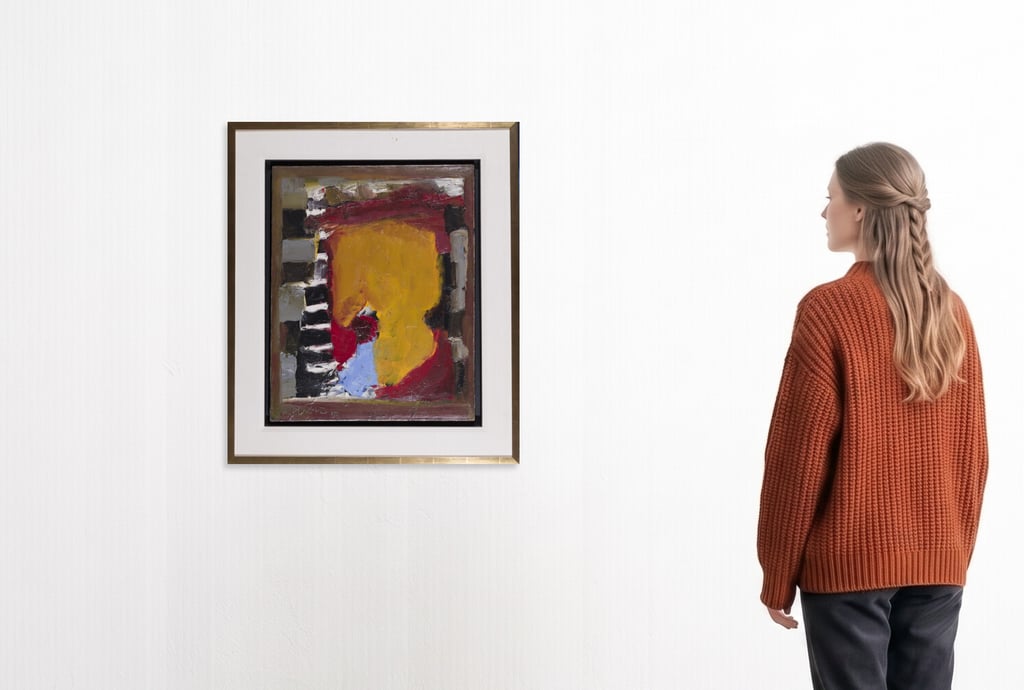
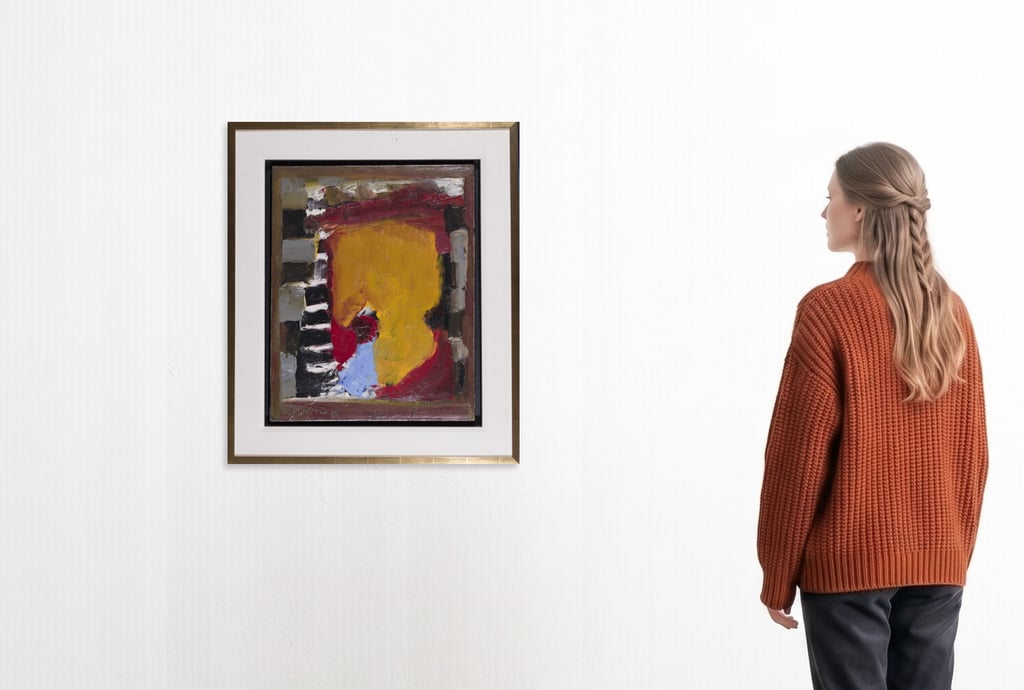
32.25 x 27.5 in (81.9 x 69.9 cm) including frame
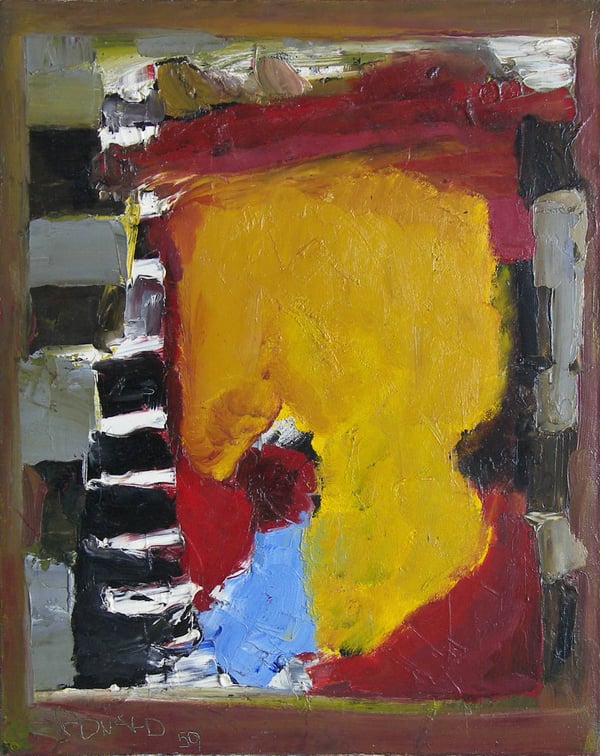
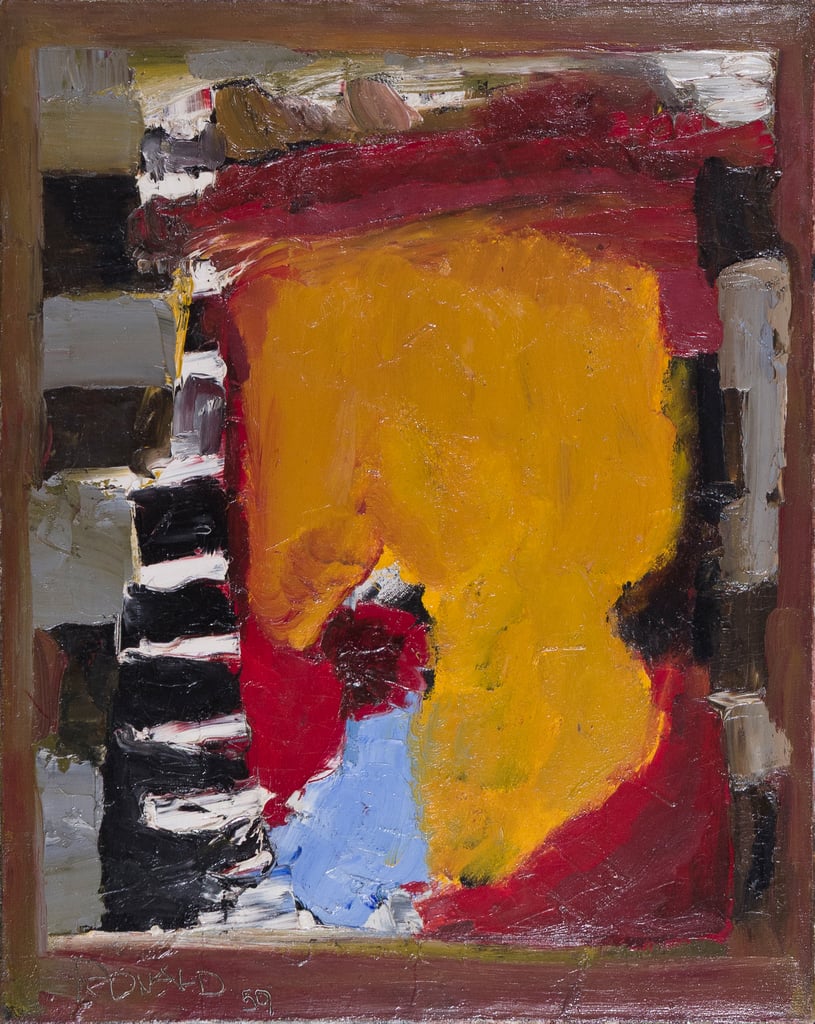
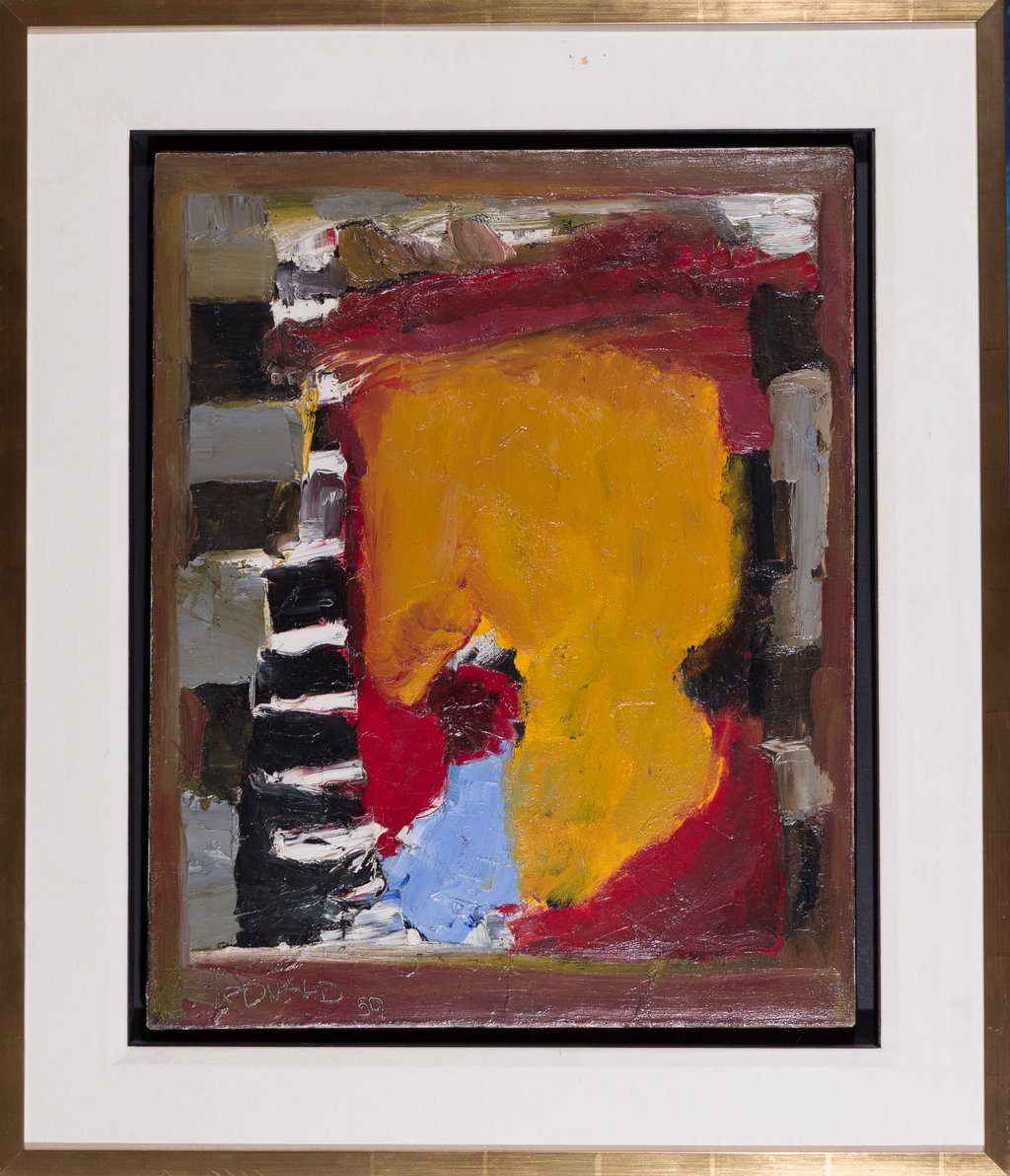
William Ronald was a founding member of the Toronto-based group Painters Eleven and achieved significant international recognition in the late 1950s. During this period, he was represented by the Kootz Gallery in New York, where he exhibited alongside prominent American Abstract Expressionists. Voyager (1959) is a representative example of his work from this decade, characterized by his development of the "centered image."
The composition is built around a central mass of saturated yellow and red paint, which appears to float within the frame. This central form is anchored by a small area of blue and flanked on the left by vertical, rhythmic bands of black and white. Ronald applied the oil paint with thick impasto and direct, visible brushstrokes, creating a textured and energetic surface.
This work reflects the shift in Canadian abstraction toward the more spontaneous and gestural style of the New York School. By isolating the primary activity in the middle of the canvas, Ronald avoided traditional landscape perspectives, focusing instead on the physical presence of the paint and the balance of the colored forms.
William Ronald
1926 - 1998 RCA, Painters Eleven
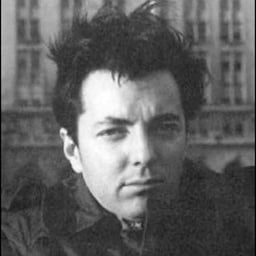
William Ronald, born William Ronald Smith on August 13, 1926, in Stratford, Ontario, was a significant Canadian abstract expressionist painter who played a pivotal role in the development of modern Canadian art. After studying at the Ontario College of Art with Jock Macdonald, Ronald went to New York in 1952 where he briefly attended Hans Hofmann's School of Fine Arts. In 1953, frustrated by the lack of representation for abstract painting in Toronto, he organized the "Abstracts at Home" exhibition at the Robert Simpson department store where he worked as a display designer, pairing abstract paintings with furniture displays to introduce non-representational art to the public.
This initiative led to Ronald founding Painters Eleven in 1953, the first abstract painting group in English Canada. Finding Toronto's art scene too restrictive, Ronald moved to New York in 1957, where he joined the Kootz Gallery and developed his distinctive style characterized by large central images with dynamic, aggressive brushstrokes. His work was influenced by Willem de Kooning, though Ronald developed his own unique approach to abstract expressionism. During this period, he gained recognition from critics, collectors, and fellow artists such as Franz Kline.
Ronald returned to Canada in the mid-1960s and expanded his career beyond painting. He worked as a broadcaster for the CBC, hosting shows including "The Umbrella" (1966-67) and "As It Happens" (1969-72), and also wrote as a columnist for the Toronto Telegram. His painting style evolved in response to a 1967 mural commission for the National Arts Centre in Ottawa, incorporating more hard-edged elements while maintaining his interest in automatic painting and central imagery. In 1975, he was made a member of the Royal Canadian Academy of Arts.
In the 1980s, Ronald created a controversial series of abstract portraits of Canada's prime ministers, which was exhibited at the Art Gallery of Ontario in 1984 and toured Canada afterward. Known for his flamboyant personality, Ronald sometimes painted publicly, occasionally hiring performers to dance around him as he worked. He continued painting actively throughout his life, working in Montreal and later Barrie, Ontario. William Ronald died on February 9, 1998, shortly after suffering a heart attack while painting a work he named "Heart Attack."