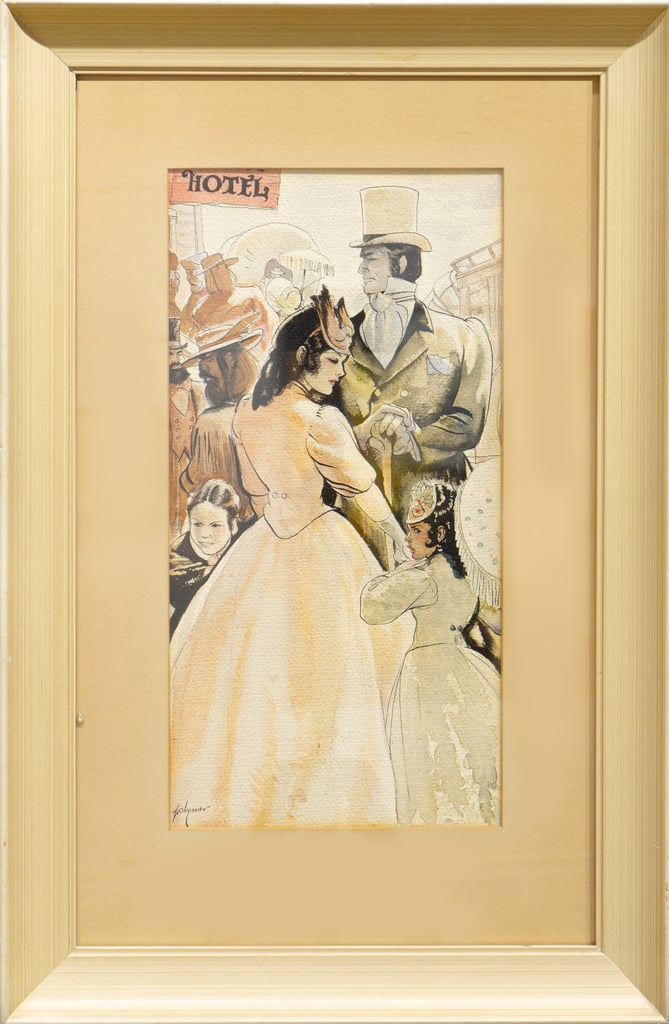
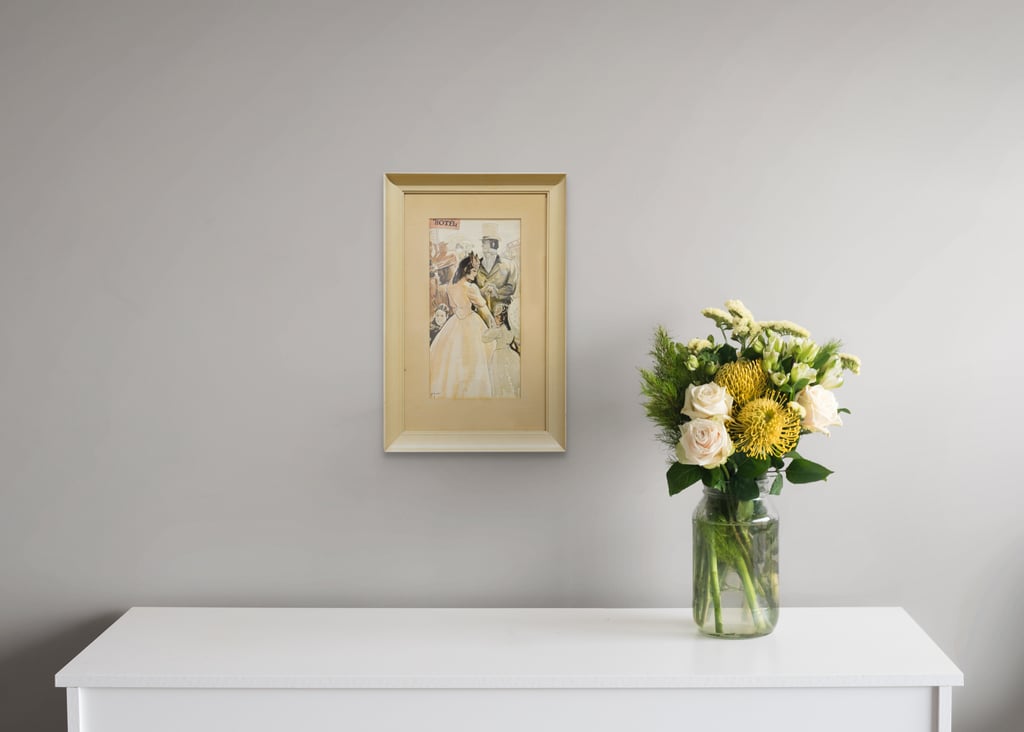
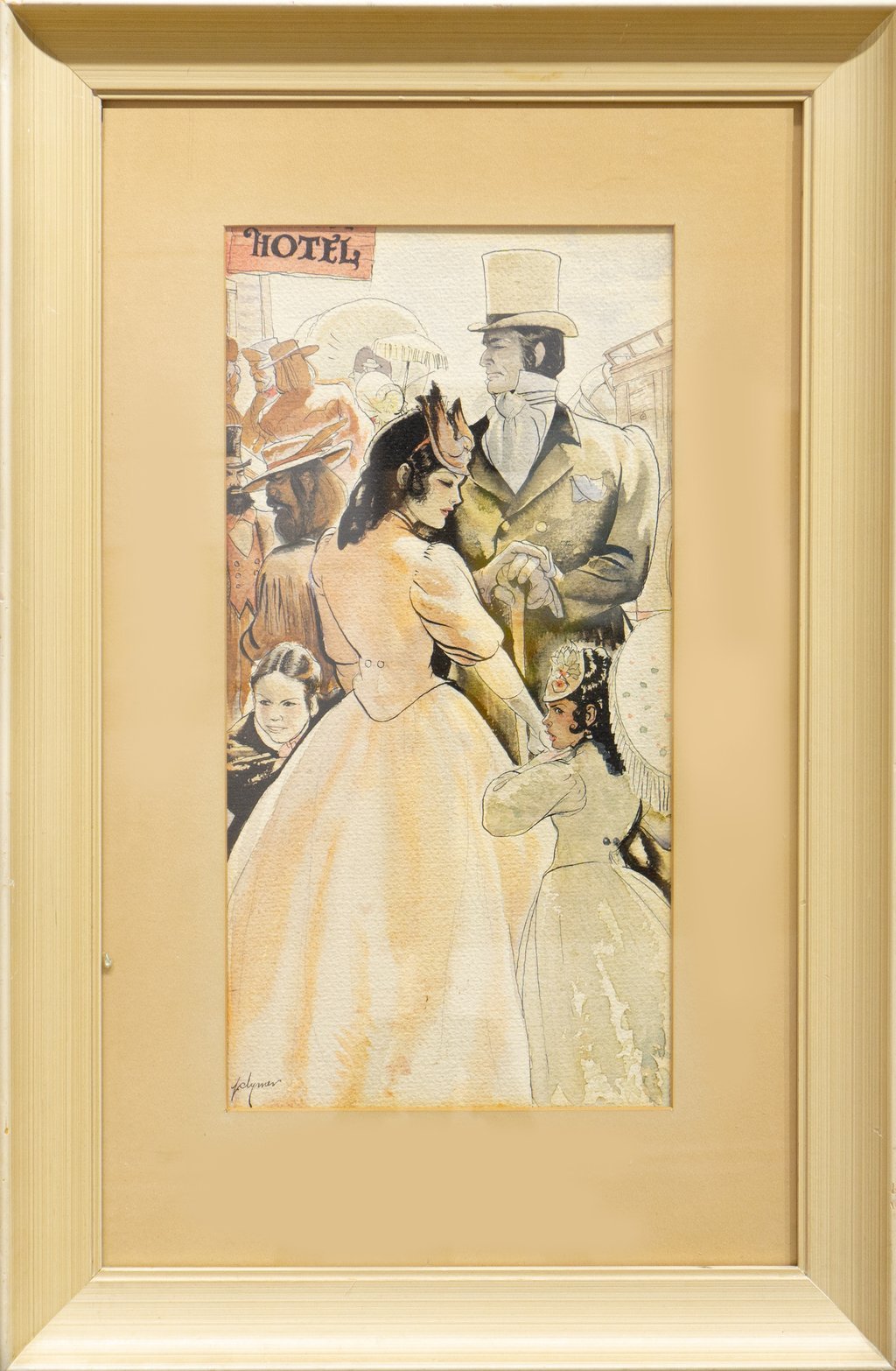
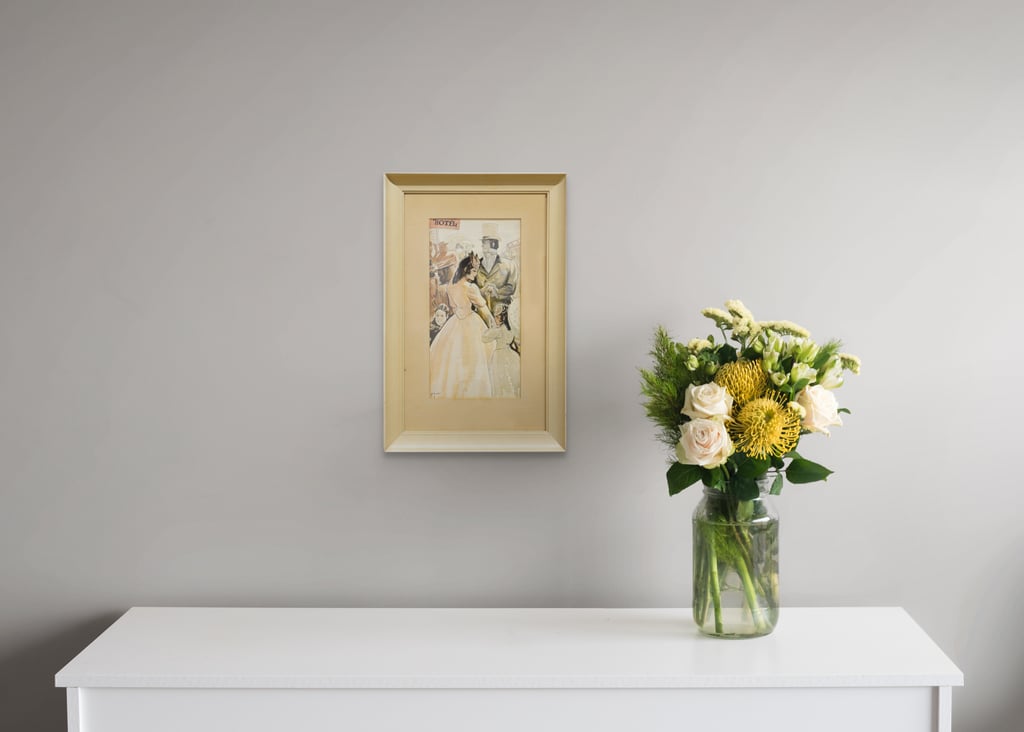
Untitled
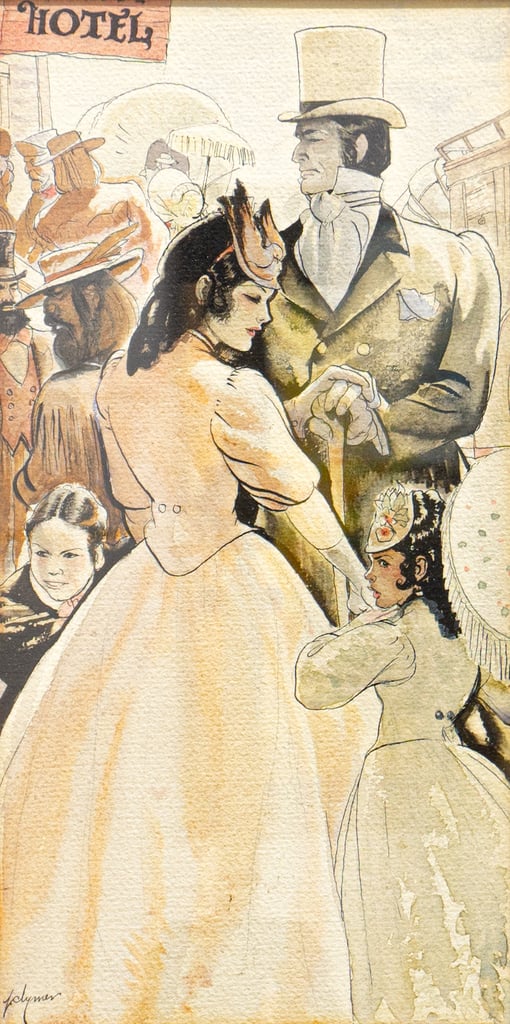
21 x 13.5 in (53.3 x 34.3 cm) including frame
Signed Bottom Left
Private Winnipeg Collection
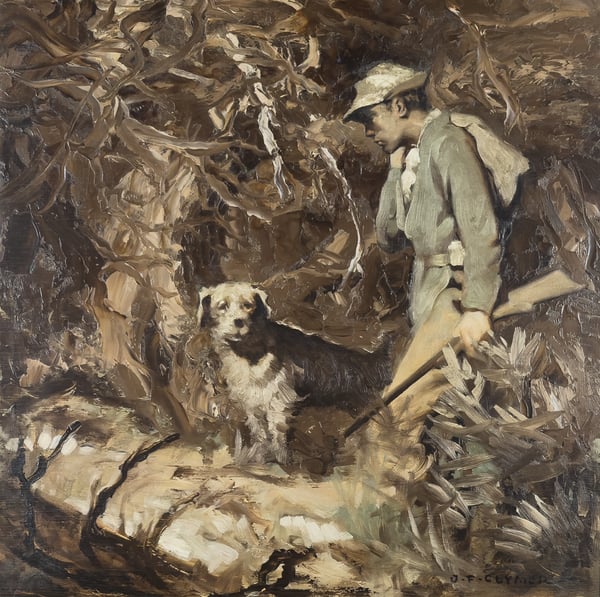
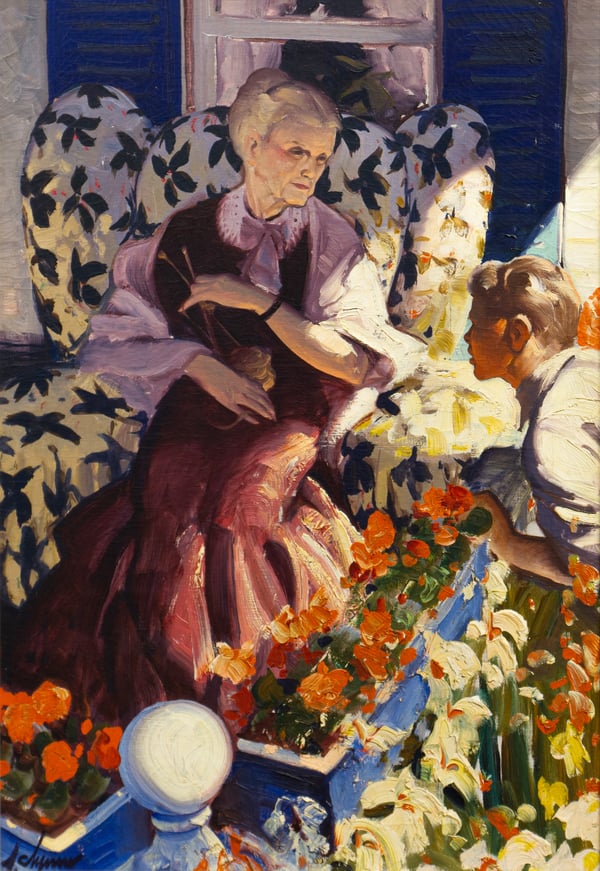
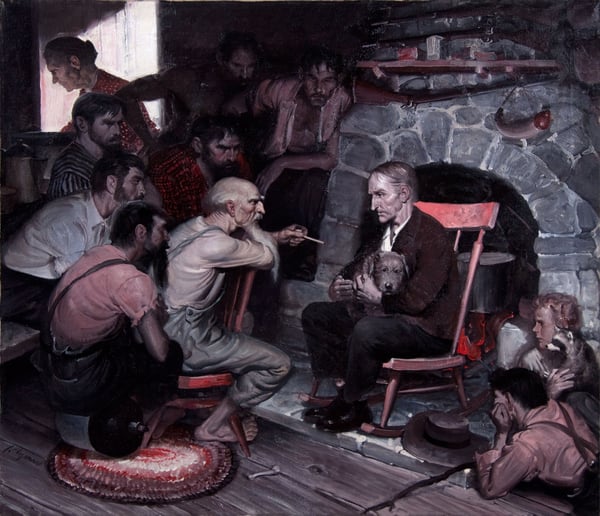
John Clymer
1907 - 1989 RCA
John Ford Clymer was born in Ellensburg, Washington in 1907 and began his artistic education through an Art Instruction School correspondence course. He continued his studies in Canada at the Vancouver School of Art (now Emily Carr University) under George H. Southwell and F.H. Varley, and at the Ontario College of Art's summer school under J.W. Beatty. Clymer spent eight years in Canada working as an illustrator for magazines including Western Home Monthly, Canadian Home Journal, MacLean's Magazine, and Chatelaine before moving to the United States.
In Westport, Connecticut, Clymer established himself as a prominent magazine illustrator, studying under Harvey Dunn at the Grand Central School of Art and receiving instruction from N.C. Wyeth. He created over eighty cover illustrations for The Saturday Evening Post between 1942 and 1962, along with work for magazines such as Good Housekeeping, Field and Stream, and Woman's Day. During his service in the Marine Corps, he illustrated for Leatherneck Magazine and painted a series depicting Marine Corps history during World War II. He was a member of the Royal Canadian Academy of Arts, the Ontario Society of Artists, and the Salmagundi Club.
Clymer developed a meticulous research process for his historical Western paintings, working with his wife Doris to study subjects in detail before traveling to locations to capture the essence of geographical settings. He joined the Cowboy Artists of America in 1969 and became particularly known for his depictions of Pacific Northwest history, including Native American life, the fur trade era, and regional wildlife. His paintings combined historical accuracy with artistic skill, often featuring subjects such as bighorn sheep in mountain settings and scenes from the Lewis and Clark expedition.
Throughout his career, Clymer received numerous awards including the Prix de West from the Academy of Western Art in 1976 and the Rungius Medal from the National Museum of Wildlife Art in 1988. His work is permanently exhibited at the Clymer Museum of Art in his hometown of Ellensburg, Washington. Clymer died in Bellevue, Washington in 1989, leaving behind a significant body of work that bridged illustration and fine art while documenting the American West.